Admissions Overview
For the 2026/2027 intake, Cattolica lists the Medicine and Surgery admission call as closed. Cattolica International says the next application period will open in Fall 2026 for 2027/2028. The published 2026/2027 seat split was 40 places for EU candidates and 70 places for non-EU candidates. Future applicants should check the next official call before relying on dates, documents or test sessions.
- Confirm whether you apply as an EU or non-EU candidate.
- Check school qualification, visa and document rules in the official call.
- Register for Cattolica's admission test by the published deadline.
Cattolica's private admission timeline is separate from public IMAT timelines. Track the Rome Cattolica test, ranking and enrollment steps as their own project.
Cattolica Entrance Test
For the 2026/2027 call, Cattolica lists an English admission test scheduled for 25 March 2026 in home-based mode, with possible extra sessions on 26 March 2026. The main test has 65 multiple-choice questions in 65 minutes, plus 7 reserve questions in 7 minutes.
The published 2026/2027 structure is 65 scored questions, plus 7 reserve questions used only if needed.
Correct answers score +1, wrong answers score -0.25 and blank answers score 0.
Cattolica lists 20 out of 65 as the minimum score required to be eligible for the degree program.
| Test area | Questions |
|---|
| General culture | 2 |
| Logical reasoning | 20 |
| Biology | 18 |
| Chemistry | 12 |
| Physics | 4 |
| Mathematics | 4 |
| Ethical-religious culture | 5 |
This overlaps with some IMAT Mentor work, but it is not the same as the public IMAT. Applicants should build their final study plan from Cattolica's official admission-test specifications.
Tuition and Living Costs
Cattolica International lists Medicine and Surgery tuition at EUR 18,150 per academic year. It describes this as a fixed fee for all students regardless of nationality and states that there are currently no scholarships or tuition fee waivers for this program. Students should still check whether application, enrollment, regional tax, insurance or student-service costs apply to their intake and applicant category.
Rome living costs depend heavily on housing and commute. For planning, use roughly EUR 900-1,400 per month before one-time setup costs, flights, visa expenses, deposits and personal travel.
Recognition and licensing
Cattolica Rome is an Italian university program. Recognition and licensing still depend on where you want to practise after graduation, especially if you plan to work outside Italy or outside the EU.
Student life in Rome
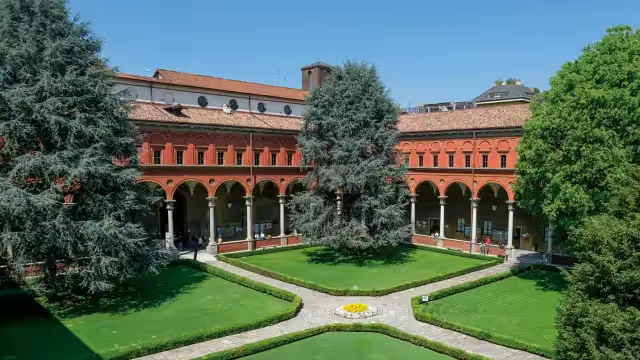
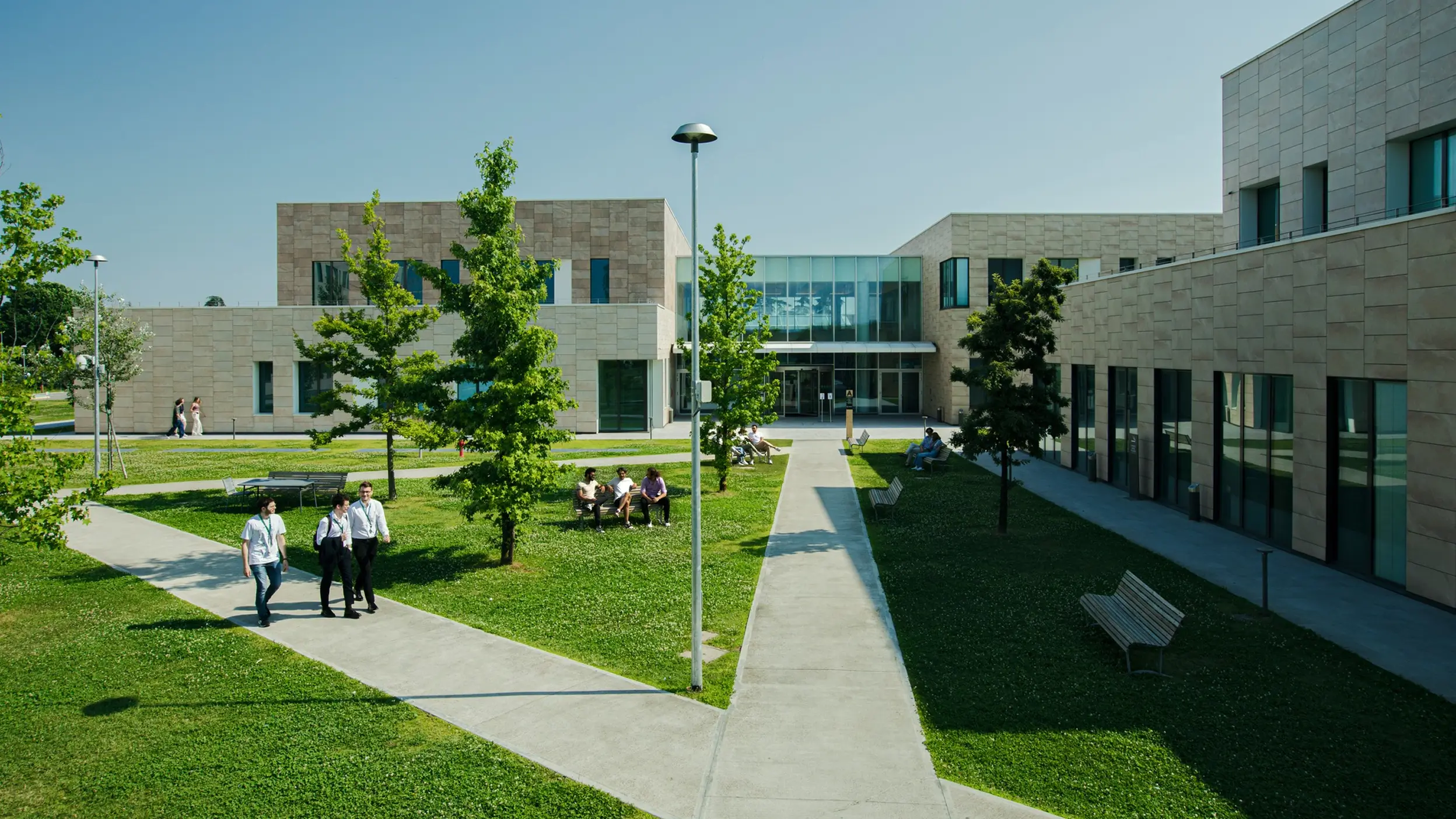
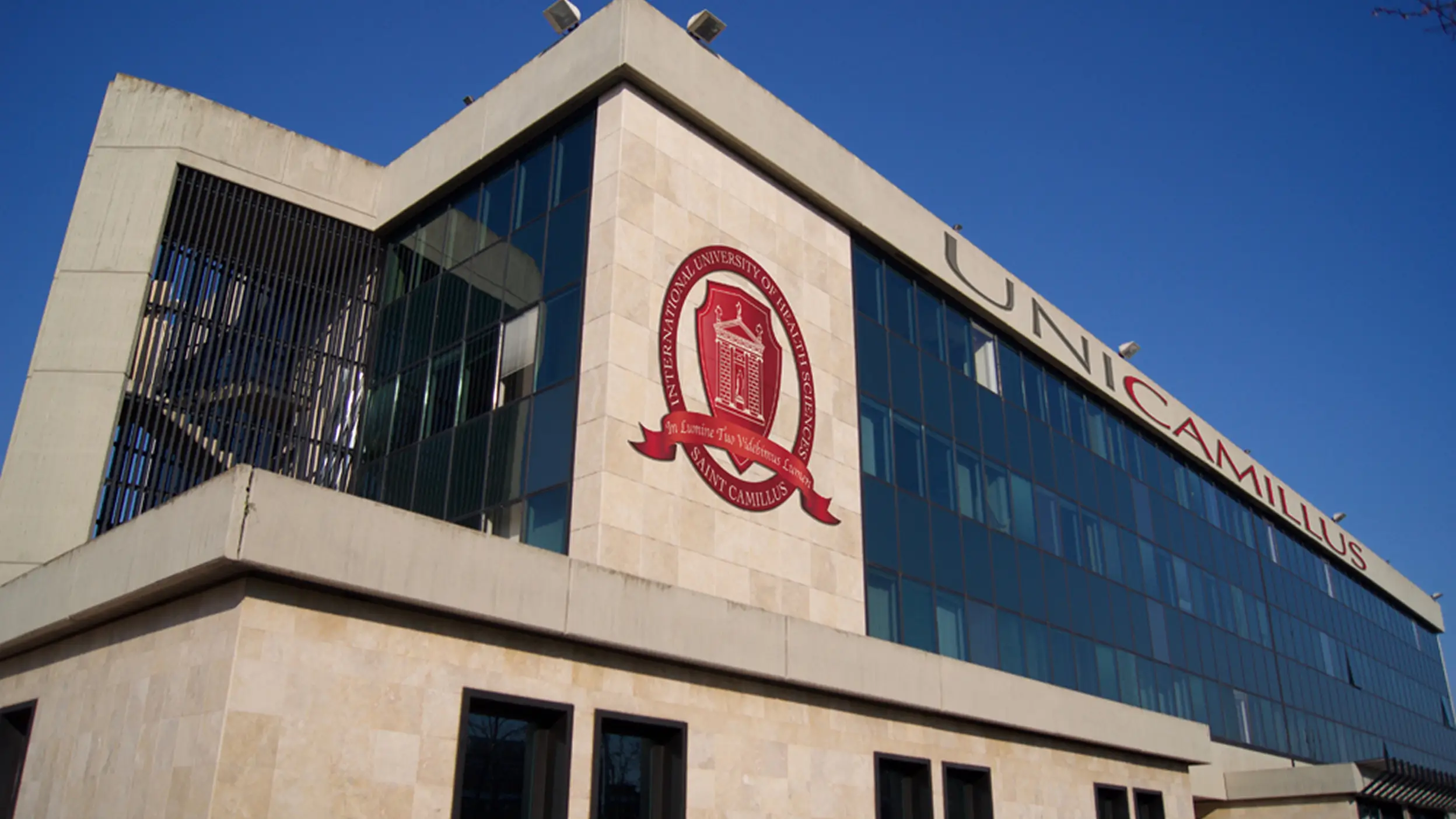
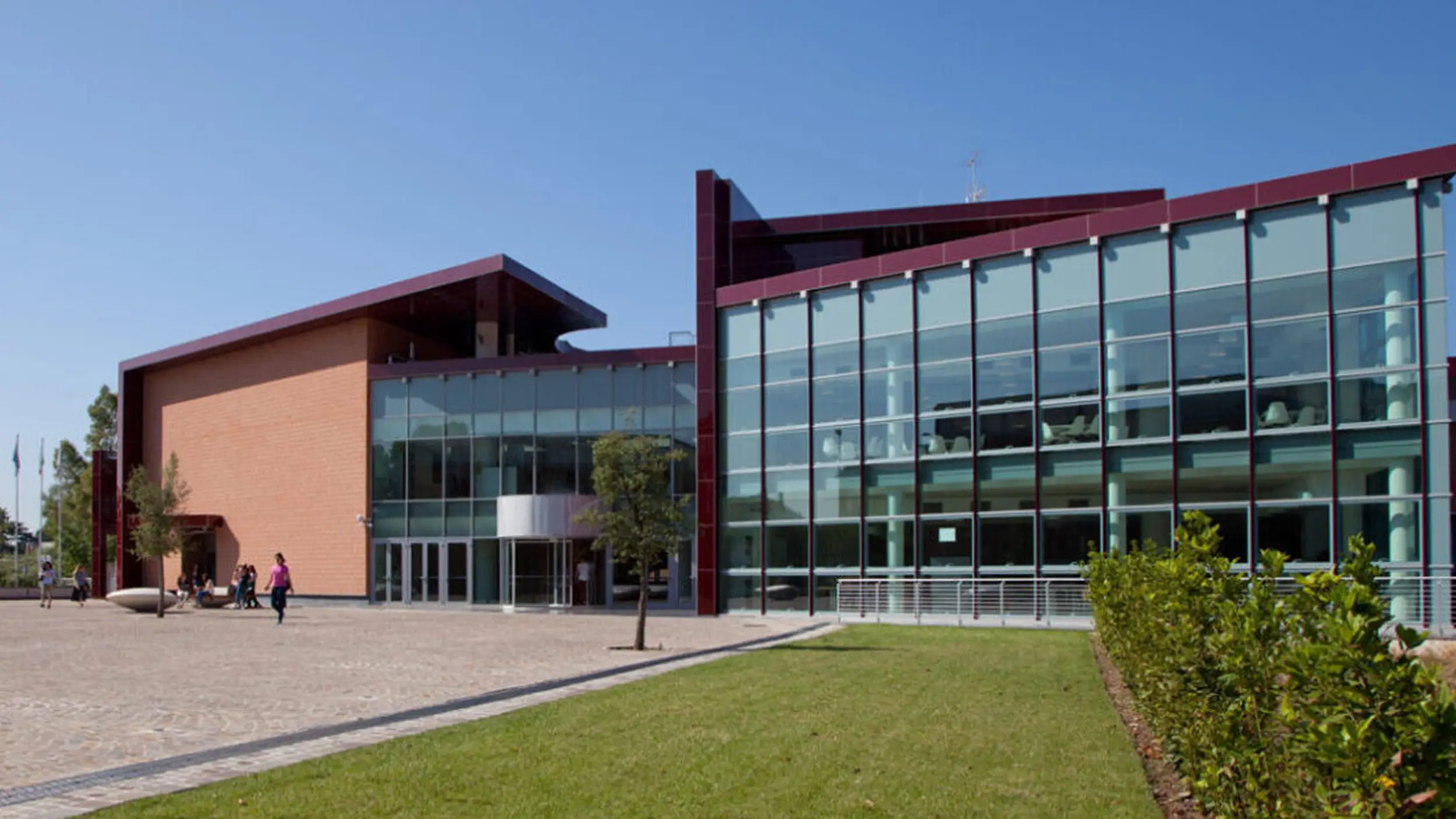
The Medicine and Surgery program is based at Cattolica's Rome campus, connected to the university's health-science environment. Rome gives students a large city setting, major hospital networks and international student life, but housing and commuting should be planned early.
Students who want Medicine in English in Rome, a private Italian admission test and a fixed-tuition option outside the public IMAT ranking.
Do not mix Cattolica's test with IMAT. The test structure, application call, ranking and places are separate from public Italy medicine applications.

Cattolica Rome campus video
How IMAT Mentor Helps
IMAT Mentor is built first for the public IMAT exam used by many English-taught Medicine and Dentistry programs in Italy. For Cattolica Rome, use the platform selectively: Biology, Chemistry, Maths, Physics, reasoning practice and flashcards can support your base, while Cattolica-specific rules should come from the official admissions call.
FAQ
Is Universita Cattolica Rome an IMAT university?
No. Universita Cattolica del Sacro Cuore is a private Italian university. Its Rome Medicine and Surgery program uses Cattolica's own English admission test and official admission calls, not the public IMAT ranking.
Can I study Medicine at Cattolica Rome in English?
Yes. Cattolica publishes Medicine and Surgery as an English-taught 6-year program at the Rome campus, with 360 ECTS/CFU credits.
How many places were listed for 2026/2027 Medicine and Surgery in Rome?
For the 2026/2027 intake, Cattolica listed 40 places for EU candidates and 70 places for non-EU candidates on the official admissions page.
How much is tuition for Cattolica Medicine and Surgery in Rome?
Cattolica International lists fixed tuition for the Rome Medicine and Surgery program at EUR 18,150 per academic year for all students. It also states that no scholarships or tuition waivers are currently available for this program.
What is the Cattolica Entrance Test like?
For the 2026/2027 call, Cattolica lists a 65-question English admission test in 65 minutes, plus 7 reserve questions in 7 minutes. The main test includes general culture, logical reasoning, Biology, Chemistry, Physics, Mathematics and ethical-religious culture. Scoring is +1 for a correct answer, -0.25 for a wrong answer and 0 for a blank answer, with a minimum eligibility score of 20 out of 65.
How can IMAT Mentor help if Cattolica does not use IMAT?
IMAT Mentor is primarily built for public IMAT preparation. Some Biology, Chemistry, Maths, Physics, reasoning and study-planning work can still help Cattolica applicants, but final preparation should follow Cattolica's official test specification.
Sources
Last updated: May 2026.