Medicine in Italy in English

Studying Medicine in Italy in English is a real option for international students, but the application process is not the same everywhere. Public English-taught programs usually use IMAT, while private universities run separate admission tests and calls.
Understand the degree structure, language needs and practical training before choosing a medical school. For a broader university and fee comparison, use our guide to studying Medicine in Italy.
What is an English-taught Medicine degree in Italy?
Medicine and Surgery is a single-cycle degree: one course of study rather than a separate bachelor’s and master’s application. The University of Messina’s current English programme lists six years and 360 credits.
| Part of the course | What to check |
|---|---|
| Scientific foundations | How the study plan develops anatomy, biology, chemistry and physiology. Check the actual modules and sequence. |
| Clinical subjects | When teaching moves into disease, diagnosis and treatment, and how it connects with practical training. |
| Practical training | Which hospitals and placements the university uses, and when patient-facing activities begin. |
| Language | English teaching requirements and Italian preparation for patient communication and daily life. |
| Graduation and your next step | The final assessment and the registration requirements in the country where you want to work. |
Module names and clinical schedules vary. Use a university’s current study plan rather than assuming every six-year course follows the same timetable. Check the official Messina programme.
Choose the degree, then plan admission
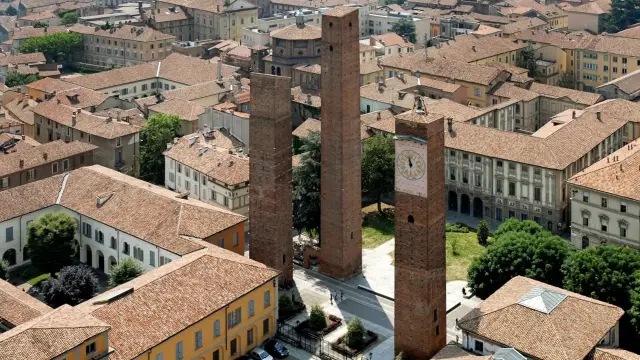
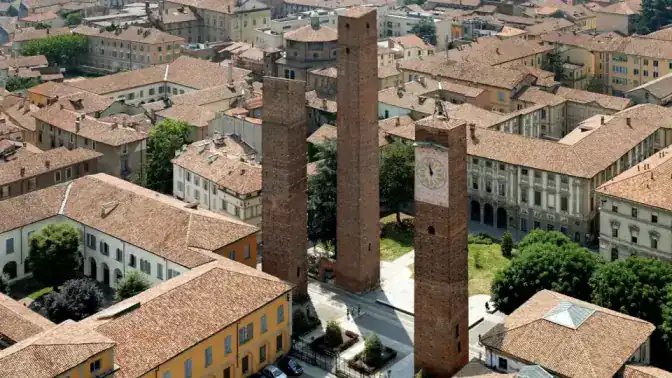
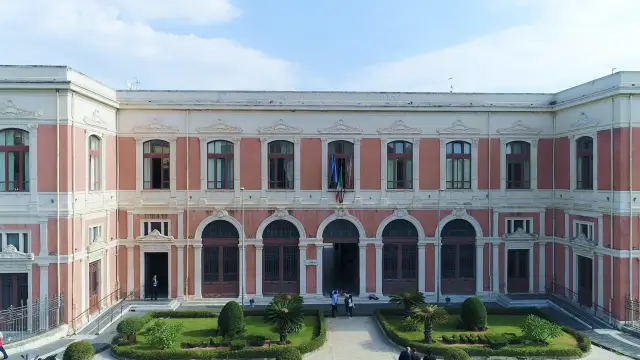
Compare Medicine at Messina and Medicine at Pavia. Use the Italy university comparison guide for admission routes, fees and applicant categories.
Medicine in Italy at a glance
Pick the Medicine option you are applying for
Italy has public and private English-taught Medicine options. The exam you prepare for, the deadlines you follow and the fees you plan around depend on which option you choose.



What Medicine applicants usually need
Most applicants need a strong school science background, valid documents, English readiness and a plan for the exact entrance test used by the university they are targeting.
IMAT subjects
Public English-taught Medicine admissions focus on Biology, Chemistry, Physics and Maths, Logical Reasoning and Problems, and Reading and General Knowledge.
Documents
Expect school certificates, transcripts, ID/passport, application forms and sometimes language or visa documents.
Private calls
Private universities publish their own tests, deadlines, places, fee rules and ranking procedures.
Timing
Application windows can be short, so students should prepare before the official call is open.
Compare the full yearly budget, not just tuition
Tuition is only one part of the decision. Add housing, food, transport, books, application fees, test fees, visa or residence costs and later licensing costs before deciding which option makes sense.
| Admission option | Medicine universities to compare | Tuition pattern | Admission model | Guide |
|---|---|---|---|---|
| Public IMAT admissions | Milan IMS, Pavia, Bari, Messina, Sapienza, Milano-Bicocca and other public English-taught programs. | Public university fees vary by university and student situation; check the official fee simulator or yearly call. | National English-language admission test. 2026/27 format (MUR D.M. 1005): 60 questions in 100 minutes. | Open guide |
| Humanitas admission | Humanitas University Milan. | Private tuition is published by Humanitas and can vary by bracket or intake. | Humanitas runs its own Medicine admission test and call, separate from the public IMAT ranking. | Open guide |
| Cattolica admission | Universita Cattolica del Sacro Cuore Rome and Bolzano English Medicine programs. | Private tuition and contribution rules are published by Cattolica for each intake. | Cattolica uses its own entrance-test and application process rather than the public IMAT ranking. | Open guide |
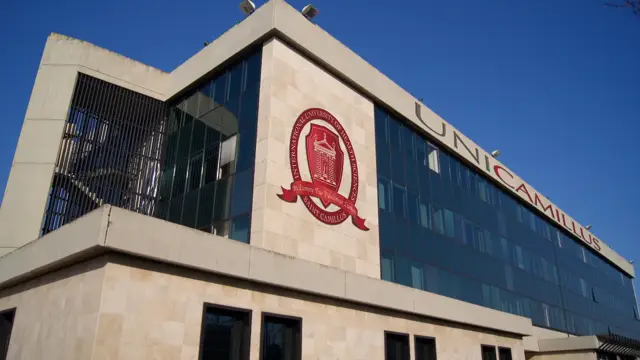
| Other private admissions | Vita-Salute San Raffaele, Campus Bio-Medico Rome, UniCamillus and other private options. | Private fees are usually higher than public fees and must be checked university by university. | Private universities publish their own calls, tests, interview steps, English rules and deadlines. | Open guide |
Verify where the degree lets you practise
Medicine is a regulated profession, so you should check recognition before choosing a university. The right question is not only where you can study, but where you want to work after graduation.
EU recognition
EU recognition can apply when the qualification meets the relevant European training rules, but students should still verify the exact degree title and licensing steps.
United States path
US pathways require ECFMG eligibility checks, World Directory information, USMLE exams and residency matching. A degree alone is not enough.
Destination-country rules
The UK, Ireland, Canada, Gulf countries and other destinations have their own registration, exam and language rules. Check them early.
Useful official checks: EU automatic recognition, World Directory of Medical Schools, and ECFMG eligibility.
Explore Medicine university guides
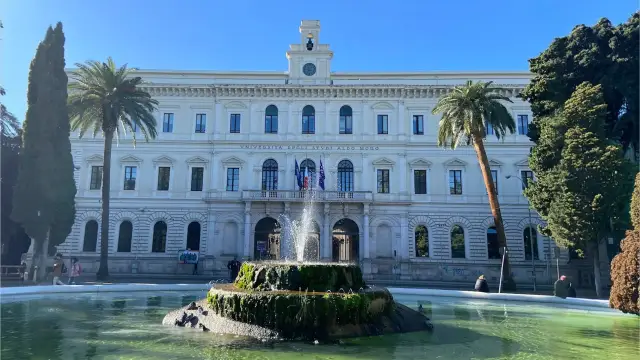
These guides cover admissions, tuition, curriculum context, official sources and IMAT Mentor preparation support for individual Medicine programs in Italy.

















Prepare for the entrance exam
If your target is a public English-taught Medicine program, your preparation should be built around IMAT subjects, question timing and realistic simulations.
If your target is a private university, use the official call to check the exact test format, then prepare the core science and reasoning skills that overlap with Medicine entrance exams.
See how IMAT Mentor helps you prepare
Explore the question bank, simulations, flashcards, AI study assistant and Italy application context.
Medicine in Italy questions